
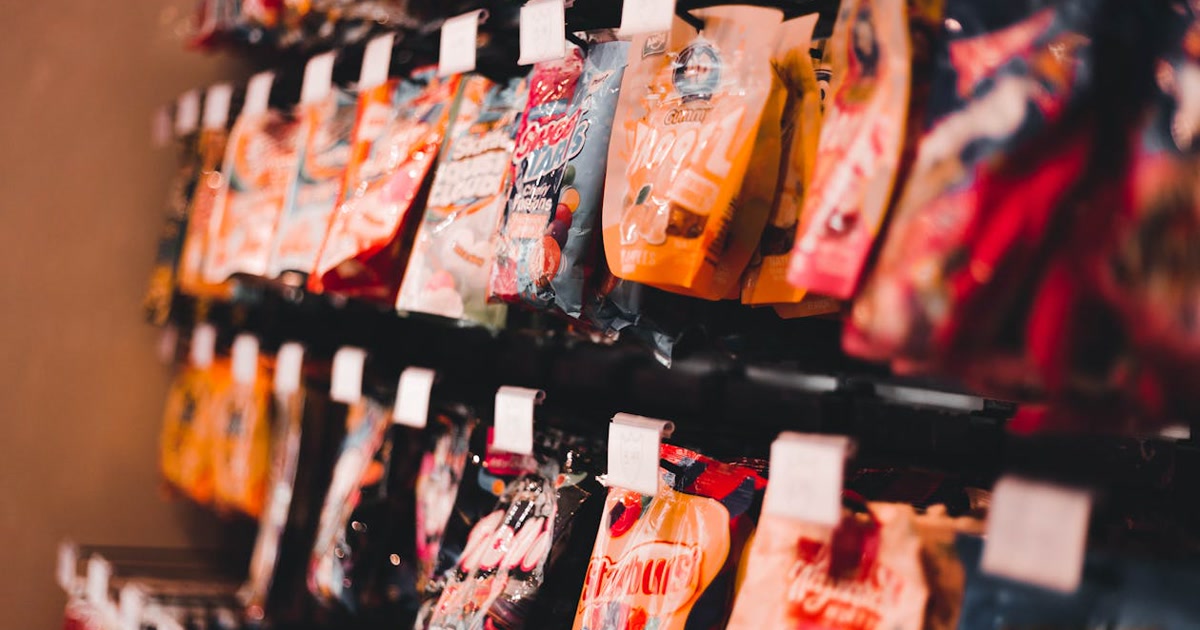
Why is "processed" too vague to be useful?
Almost everything you eat has been processed in some way. Cheese is processed. Frozen vegetables are processed. Bread is processed. Saying a food is "processed" tells you almost nothing useful about whether it's something to be concerned about.
The NOVA classification system, developed by researchers at the University of Sao Paulo, tried to solve this by grouping foods not by their nutrient content but by the nature and degree of industrial processing they've undergone. The insight is that it matters not just what's in food, but what's been done to it. To understand how the NOVA classification works, read our full guide to the system.
The four NOVA groups
Frequently asked questions
Common questions about this topic.
What does 'ultra-processed' actually mean?
Ultra-processed foods are industrial formulations made mostly from substances extracted from foods (oils, fats, sugars, starches, protein isolates) plus additives like emulsifiers, colorings, flavorings, and preservatives. They're the fourth group in the NOVA classification system, developed by researchers at the University of São Paulo. If your grandmother wouldn't recognize half the ingredient list, it's probably ultra-processed.
What are the NOVA groups?
NOVA 1: unprocessed or minimally processed foods (fresh fruit, eggs, pasta, milk). NOVA 2: culinary ingredients (oil, butter, salt, sugar). NOVA 3: processed foods (canned vegetables, bread, cheese, smoked fish). NOVA 4: ultra-processed foods (soft drinks, packaged snacks, ready meals, most breakfast cereals). The useful distinction is between 1-3 and 4, not all processing is bad, but ultra-processing is a specific category.
Is all processed food bad for you?
No. Cheese, yogurt, bread, canned tomatoes, and frozen vegetables are all processed but not ultra-processed, these are NOVA 3 foods that can be part of a healthy diet. The research links specifically to NOVA 4 (ultra-processed) foods and outcomes like weight gain, cardiovascular disease, and type 2 diabetes. Lumping all processing together obscures the actual finding.
How do I know if a food is ultra-processed?
Look for ingredients you wouldn't use at home: emulsifiers (lecithin, mono- and diglycerides, carrageenan), modified starches, high-fructose corn syrup, artificial colors, flavor enhancers (MSG, yeast extract), hydrolyzed proteins, protein isolates. If a short label reads like a food, it's probably NOVA 1-3. If a long label reads like a chemistry set, it's NOVA 4.
What does the research say about ultra-processed food and health?
Multiple large cohort studies (NutriNet-Santé, UK Biobank, a 2019 NIH controlled-feeding trial) have found associations between high UPF intake and higher all-cause mortality, cardiovascular disease, obesity, and type 2 diabetes. The NIH trial in particular showed people eating an ultra-processed diet consumed about 500 more calories per day than people eating a minimally processed diet of equal calorie density on offer, the products drive overeating. This is correlational evidence for observational studies, causal evidence from the NIH trial for the overeating finding.
Is the NOVA classification used by any government?
Yes. Brazil's official dietary guidelines recommend against ultra-processed foods, citing NOVA. France, Canada, and Israel also reference it in nutrition policy. The WHO has cited NOVA in reports. The US dietary guidelines do not yet use NOVA, they still use the broader 'processed' category, which researchers increasingly consider inadequate.
The app reads ingredient labels with your camera and shows you every additive in seconds.
